Safety in Every Step
How Professional Pet Sitters Proactively Avoid Danger While Dog Walking
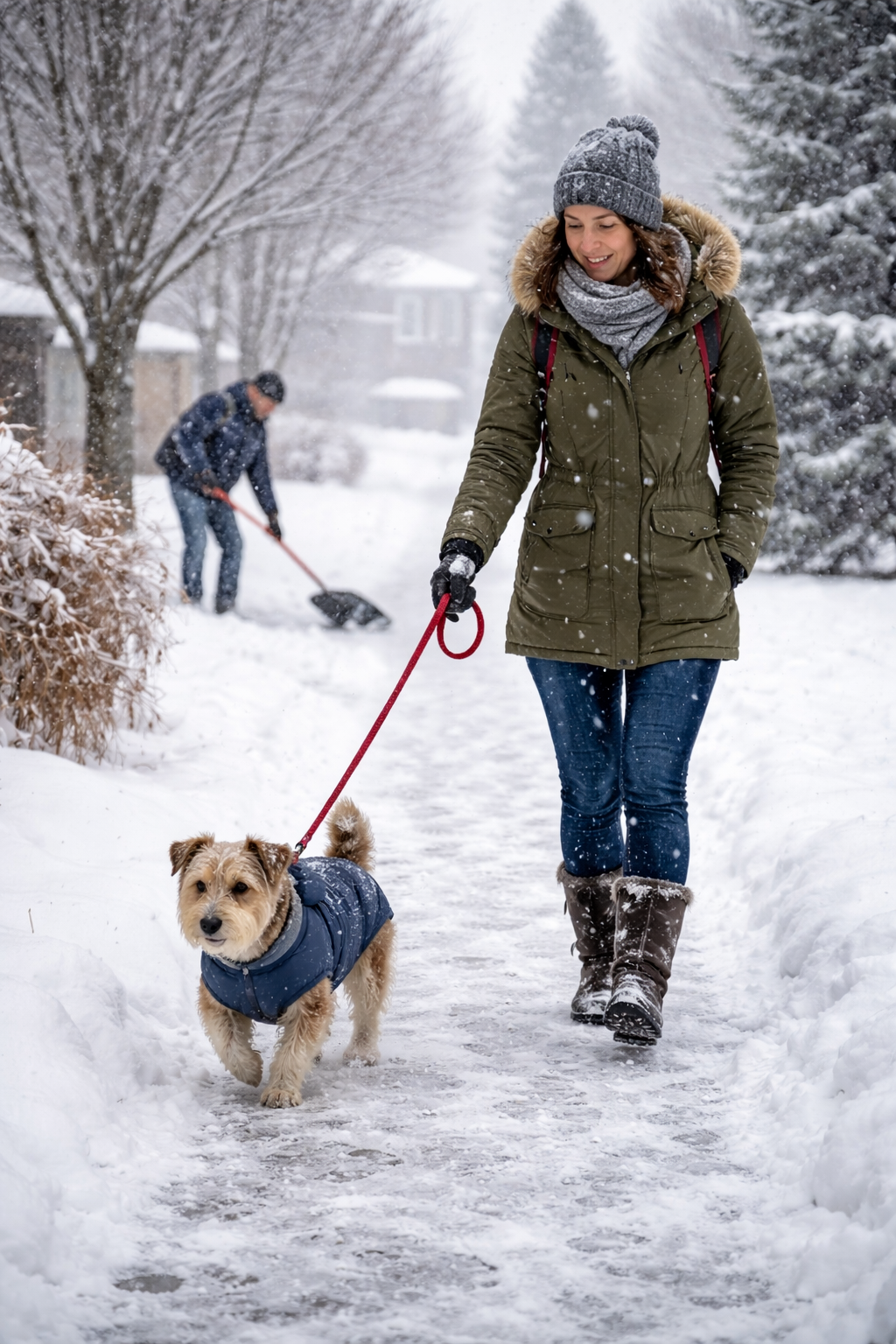
Dog walking may look simple from the outside — leash up, head out, enjoy the fresh air. But experienced professional pet sitters know that every walk requires awareness and proactive decision-making.
At a professional level, dog walking isn’t just about exercise. It’s about risk management. It’s about reading environments. And it’s about protecting the dogs in our care from preventable dangers.
Here’s how professional pet sitters actively reduce risk during every outing.
Avoiding Uncontrolled Dog Encounters
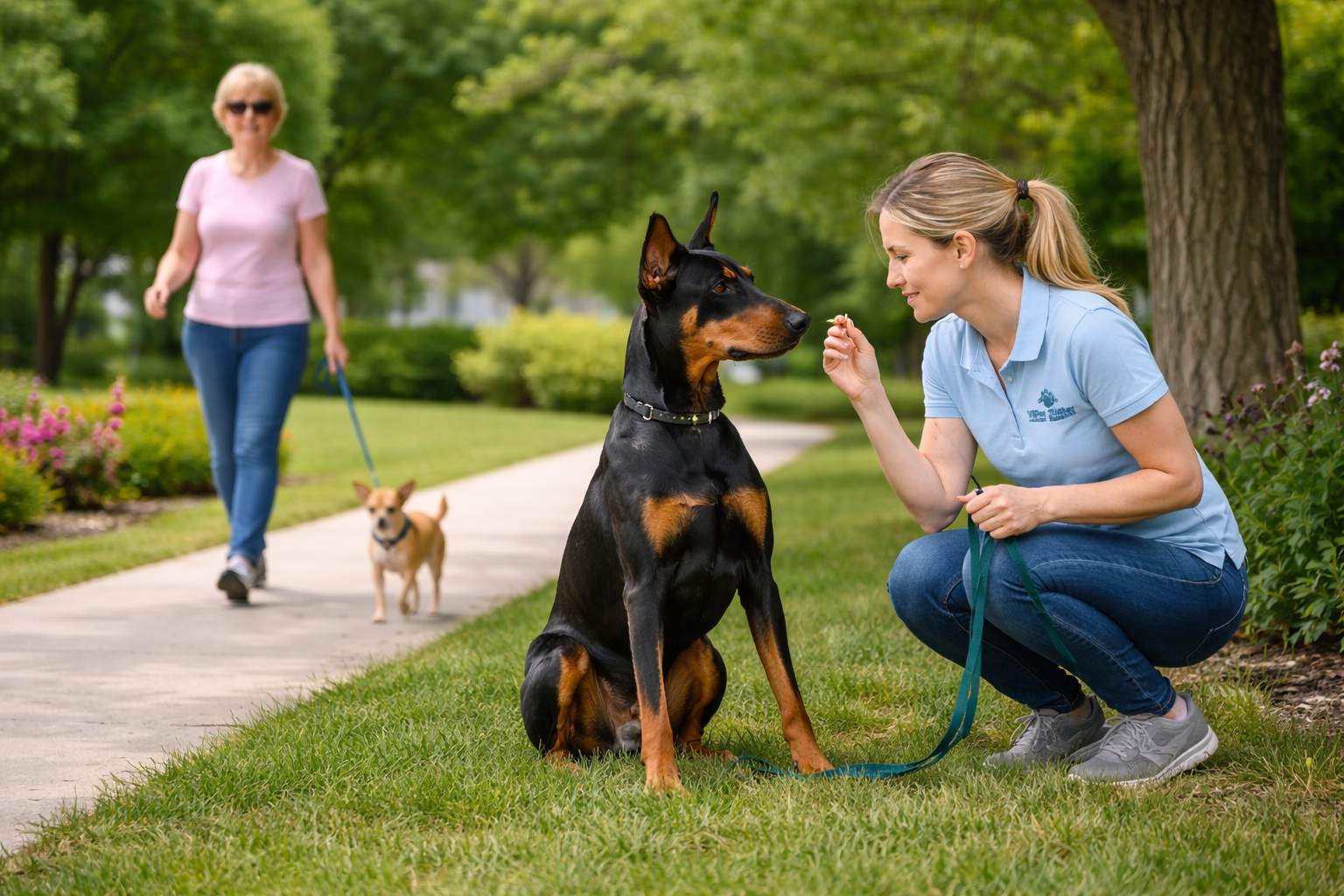
One of the most common dangers during walks is unpredictable interactions with other dogs. Even friendly dogs can react defensively when leashed. And not every approaching dog is under control. Professional pet sitters avoid casual “meet-ups” on walks. We do not assume compatibility based on appearance or an owner’s assurance that their dog is friendly. Instead, we:
- Cross the street when another dog approaches
- Step off the sidewalk to create distance
- Change direction if necessary
- Maintain safe leash positioning and awareness
Leashed greetings can escalate quickly. A tense leash, a startled reaction, or a sudden movement can lead to injury in seconds. Avoidance is not antisocial — it is responsible. A calm, uninterrupted walk is far safer than a risky interaction.
Why Dog Meet-Ups Aren’t Worth the Risk
Many pet owners enjoy social dog interactions. However, structured play environments are very different from spontaneous sidewalk greetings.
On-leash meet-ups can cause:
- Leash reactivity
- Resource guarding
- Fear responses
- Redirected aggression
Professional pet sitters prioritize safety over socialization during routine walks. The goal is exercise, enrichment, and mental stimulation — not unpredictable encounters.
Coyote Awareness in Colorado
In Colorado, wildlife safety is a very real consideration. Coyotes are increasingly active in suburban neighborhoods, especially during early morning and dusk hours.
Professional dog walkers remain alert for:
- Movement near open space or trails
- Dens or known wildlife corridors
- Signs of recent wildlife activity
We avoid open fields at peak activity times, keep dogs on secure leashes (never retractable leads), and maintain confident body language if wildlife is spotted. Carrying deterrents such as noise devices can also help in rare encounters. Awareness and prevention are key. Small dogs, in particular, require heightened vigilance.
Watching for Environmental Hazards
Not all dangers come from animals. Streets and sidewalks present their own risks.
Professional pet sitters constantly scan for:
- Broken glass
- Sharp metal debris
- Chemical spills
- Ice melt residue
- Antifreeze leaks near parked vehicles
Antifreeze is especially dangerous. Even small amounts can be fatal if ingested, and its sweet taste can attract curious dogs. We also avoid walking near areas where food waste is scattered — such as trash bins, picnic spots, or lawns with visible scraps. Discarded bones, wrappers, spoiled food, or unknown substances can cause choking, intestinal blockage, or poisoning. Prevention means keeping dogs slightly away from curbs, slowing pace near trash areas, and using appropriate leash control to redirect quickly.
Avoiding Food and Lawn Hazards
Well-meaning neighbors sometimes leave food out for wildlife or compost piles uncovered. Lawns may also contain fertilizers, pesticides, or rodent bait.
Professional pet sitters stay alert to:
- Treated lawns
- Compost piles
- Accessible trash bags
- Holiday food remnants
- Rodent control stations
If something looks questionable, we redirect immediately. It takes only seconds for a dog to ingest something harmful.
Situational Awareness Is Professional Responsibility
Safe dog walking requires more than physical strength. It requires:
- Environmental scanning
- Predictive thinking
- Confident leash handling
- Calm decision-making under pressure
Professional pet sitters do not walk distracted. Phones are used only when necessary for communication or reporting. Attention remains on surroundings and on the dog. Each walk is treated as a responsibility — not a routine errand.
Safety is not accidental. Many pet owners are surprised at how much strategic thinking goes into a professional walk. But preventing a problem is always better than reacting to one.
At VIPet Sitter Service, our team prioritizes avoidance over confrontation, distance over risk, and preparation over assumption. From crossing the street to avoid an approaching dog to monitoring for wildlife activity in Colorado neighborhoods, every decision is made with safety first.
Because a good walk isn’t just about exercise — it’s about bringing your dog home safe, every single time.
For Midday Dog Walking Service, text Cindy at 303-596-3796