Pre-Pet Sitting and Annual Veterinary Checkups
The Small Problems That Can Become Big Problems While You're Away
Why Annual Veterinary Checkups Matter More Than You Think
Most pet owners know their dog or cat should see the veterinarian when something is obviously wrong. But waiting until your pet is sick isn't always the best approach.
Animals are remarkably good at hiding pain and illness. A pet can be eating, sleeping, playing, and behaving relatively normally while a medical problem is developing underneath the surface.
That is particularly important when your pet is going to be cared for by someone else.
As professional pet sitters, we occasionally encounter situations where a pet develops a problem during an owner's trip that may actually have been developing for weeks or months. A sore tooth becomes an emergency, or an ear infection suddenly flares. A pet begins obsessively licking a leg. An older dog becomes disoriented on stairs because its vision has deteriorated.
These situations aren't necessarily caused by anything the pet sitter did. Sometimes, the sitter is simply the first person to notice that something has changed. Regular veterinary examinations can help identify potential problems before they interfere with your pet's comfort, mobility, or safety. And worse yet, present themselves as emergencies during your time away.
Cats: Don't Overlook Kidney and Diabetes Screening
Cats are delicate creatures, and are particularly good at concealing illness, which makes routine veterinary examinations especially important.
Kidney disease and urinary system disorders
Renal, or kidney, disease is common in older cats and can progress gradually. Changes in thirst, urination, appetite, weight, or energy may be subtle enough that an owner doesn't immediately recognize them as a medical problem. Routine bloodwork and urinalysis can help your veterinarian identify kidney problems and establish a baseline for your cat's kidney function. This becomes especially valuable when your cat is staying with a pet sitter.
Additionally, many cats develop UTIs (urinary tract infections), FIC (Feline Idiopathic Cystitis) and even have pain and blockages caused by kidney stones. UTIs and FIC can be caused by stress, which can often be triggered by changes such as a new person like a pet sitter coming to visit, and changes in routines while you are away.
If a sitter notices that your cat is drinking significantly more water, urinating more frequently, having accidents, losing weight, vomiting, or refusing food, knowing your cat's medical history and baseline can help determine how concerning the change may be.
Diabetes
Diabetes is another condition that can develop gradually in cats. Increased thirst and urination, weight loss despite eating, changes in appetite, or weakness can be warning signs. If your cat has been diagnosed with diabetes, your pet sitter should have detailed instructions regarding medications, insulin, feeding schedules, glucose monitoring if required, and what constitutes an emergency.
Even if your cat isn't diabetic, discussing appropriate screening with your veterinarian as your cat ages can help catch metabolic problems earlier.
Dental Health: A Toothache Can Become an Emergency
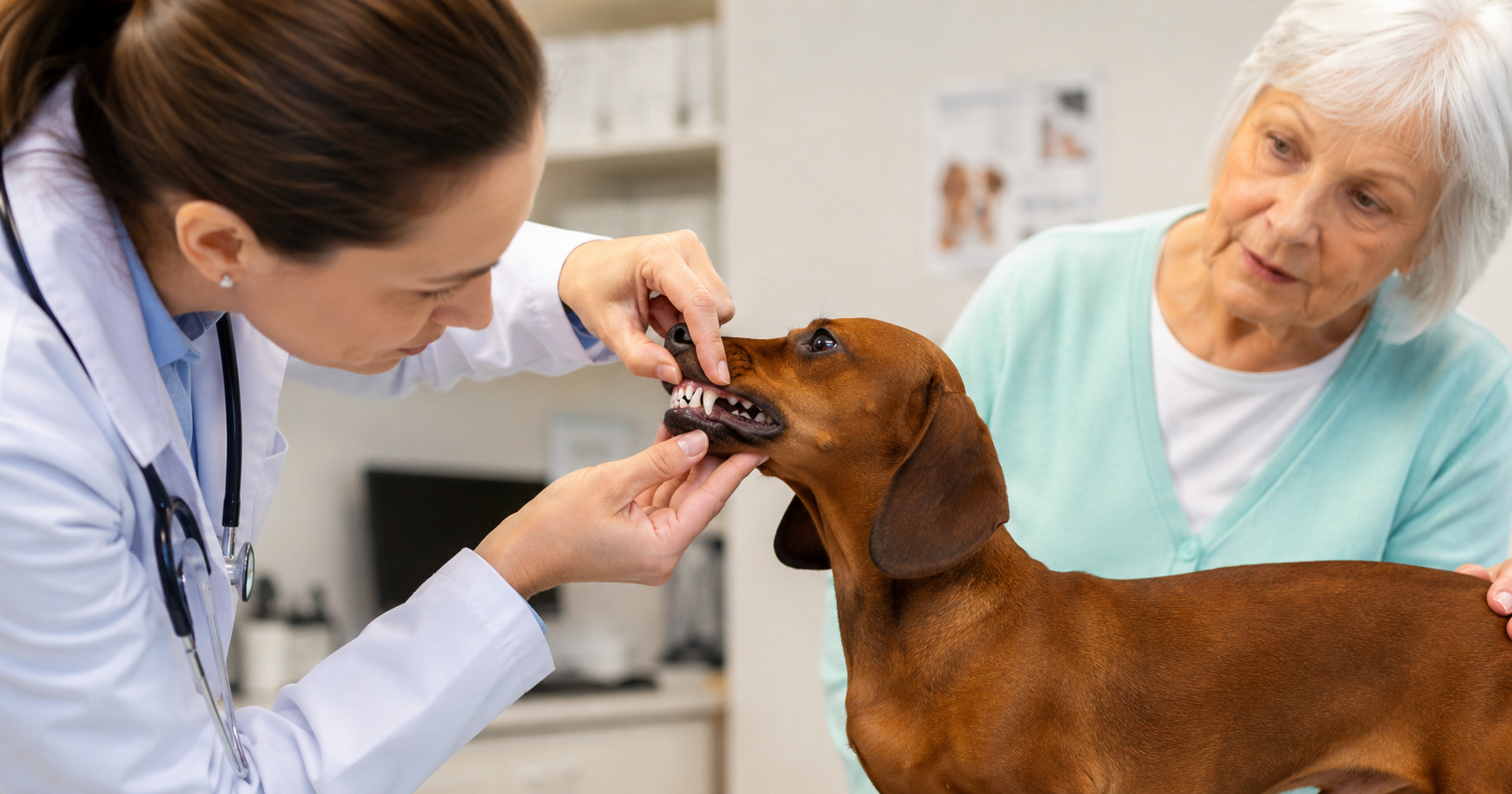
Dental disease is one of the problems that can be easy to overlook because pets can't tell us their teeth hurt. A pet may continue eating despite significant dental pain. Loose teeth, fractured teeth, periodontal disease, infections, and abscesses can become extremely uncomfortable and may suddenly worsen while an owner is away.
Before a trip, it is worth knowing:
- Does your pet have loose or damaged teeth?
- Are there teeth your veterinarian is watching?
- Does your pet have a history of dental infections or abscesses?
- Does your pet need a dental cleaning or extraction?
- Are there signs of pain that your sitter should watch for?
Letting a pet sitter know this information is helpful. A sitter may notice that a pet suddenly refuses hard food, drops food while eating, paws at its mouth, develops facial swelling, or becomes unusually withdrawn. Some pets will not want their face touched, a sure sign of shielding and pain.
Eyes: Glaucoma Can Be Painful and Surprisingly Difficult to Notice
Eye health becomes increasingly important as pets age. Glaucoma deserves particular attention because increased pressure inside the eye can be painful and can cause permanent vision loss. Pets don't always demonstrate obvious signs of discomfort early in the disease. For older pets, ask your veterinarian whether routine eye-pressure testing is appropriate. Look for abnormal dilation of the pupils that doesn't go to pin-point in strong light or sunshine. In cats, eyes that stay dilated can also be indicative of high blood pressure and possible underlying health conditions.
Cataracts are another concern. While cataracts don't necessarily cause pain, they can interfere with vision. A pet with declining eyesight may suddenly have difficulty navigating stairs, curbs, unfamiliar rooms, furniture, or outdoor areas.
A pet sitter who doesn't know that a dog has impaired vision might accidentally put the pet into a situation where it could stumble or become frightened. If your veterinarian has identified cataracts or declining vision, let your sitter know. Simple adjustments, such as keeping furniture in familiar locations, using extra caution around stairs, and providing additional lighting—can make a tremendous difference.
In locales where wildlife is a danger, remember that an older pet with declining sight and hearing becomes vulnerable to coyotes, foxes, and birds of prey. The same is true for elderly or arthritic pets that may not have the mobility or ability to get out of harm's way or protect itself, including collapsing and not being able to get up.
Excessive Licking Isn't Always Just a Skin Problem
If your dog or cat constantly licks a paw, leg, hip, or another area of the body, don't automatically assume it's simply allergies or boredom.
Persistent licking can sometimes be associated with:
- Pain or arthritis
- An injury
- Skin disease or allergies
- Infection
- Anxiety or behavioral issues
- Neurological problems
- Underlying discomfort
In some cases, the location of the licking can provide a clue about where the pet is experiencing discomfort. If your veterinarian has evaluated persistent licking, share that history with your pet sitter. It can help the sitter distinguish between your pet's normal behavior and a significant change.
Ear Health: Have a Plan Before a Flare Happens
Recurring ear infections and allergies can be particularly frustrating for pets and for their caregivers. If your pet has a history of ear problems, ask your veterinarian whether there is an appropriate treatment or cleaning product that should be kept available at home.
Having veterinarian-approved medication or ear-cleaning instructions readily available can mean your pet receives appropriate relief promptly rather than spending hours or days uncomfortable while you try to figure out what to do from another location.
Your pet sitter should know exactly:
- What symptoms indicate a flare-up (including head-tilt and foul odor)
- What medication or treatment has been prescribed
- How it should be administered
- When the veterinarian should be contacted
- When the condition requires urgent care
Never ask a sitter to diagnose an ear infection or start an unfamiliar medication on their own. The treatment plan should come from your veterinarian.
Lumps, Bumps, Warts and Skin Growths
Older pets often develop lumps, bumps, skin tags, or other growths. Many are benign, but appearance alone cannot reliably tell you what a growth is.
Have new or changing growths examined by your veterinarian, particularly if they:
- Grow quickly
- Change color or appearance
- Bleed or ooze
- Become irritated
- Are repeatedly scratched or licked
- Interfere with movement
- Seem painful
Your veterinarian can determine whether a growth should simply be monitored, sampled, or removed. This is particularly helpful for pet sitters because they may discover a growth that the owner hadn't noticed, or notice that an existing lump has changed.
Arthritis and Mobility
Pain from arthritis can develop slowly, and pets often adapt to it. Your veterinarian can evaluate mobility, joint health, muscle condition, and pain levels and discuss appropriate treatment options.
This matters enormously for pet sitting. A dog that normally jumps into the car may suddenly be unable to do so. A cat that normally jumps onto furniture may stop doing it. A pet may struggle with stairs or slip on smooth floors. Knowing your pet's mobility limitations ahead of time allows a sitter to modify walks, prevent falls, and avoid activities that could worsen an existing condition.
Weight Changes Deserve Attention
Weight gain and weight loss aren't simply cosmetic issues. Unexpected weight loss can sometimes be associated with dental disease, kidney disease, diabetes, gastrointestinal problems, cancer, or other medical conditions. Weight gain can increase stress on joints and contribute to mobility problems and other health concerns.
Your veterinarian can help establish an appropriate weight and nutrition plan and determine whether a change in weight is something that needs further investigation.
Heart and Respiratory Health
Your veterinarian should also listen to your pet's heart and lungs during routine examinations. Heart disease can sometimes progress without dramatic symptoms. Changes such as coughing, reduced stamina, difficulty breathing, weakness, or fainting should never be ignored and allowed to progress without veterinary intervention.
For pet sitters, it is helpful to know whether a pet has an established heart condition, exercise restrictions, or medications. Stress the importance of medications for these diseases, as it is very important that pets stay within time schedules and take medications consistently without lapses if possible.
Vaccinations, Parasite Prevention and Preventive Care
Routine veterinary visits are also an opportunity to review whether your pet's vaccinations and parasite-prevention program are appropriate for its age, lifestyle, and exposure risk. Your veterinarian can discuss protection against parasites such as fleas, ticks, and heartworms, along with other preventive measures appropriate for your area and your pet's lifestyle.
If you live in an area where ticks are an issue, be sure your pet sitter has access to tools to remove ticks properly, knows how to check your pet, especially with long haired breeds, and is aware of the trails and areas to avoid.
Keep a Pet Medical Information Sheet at Home
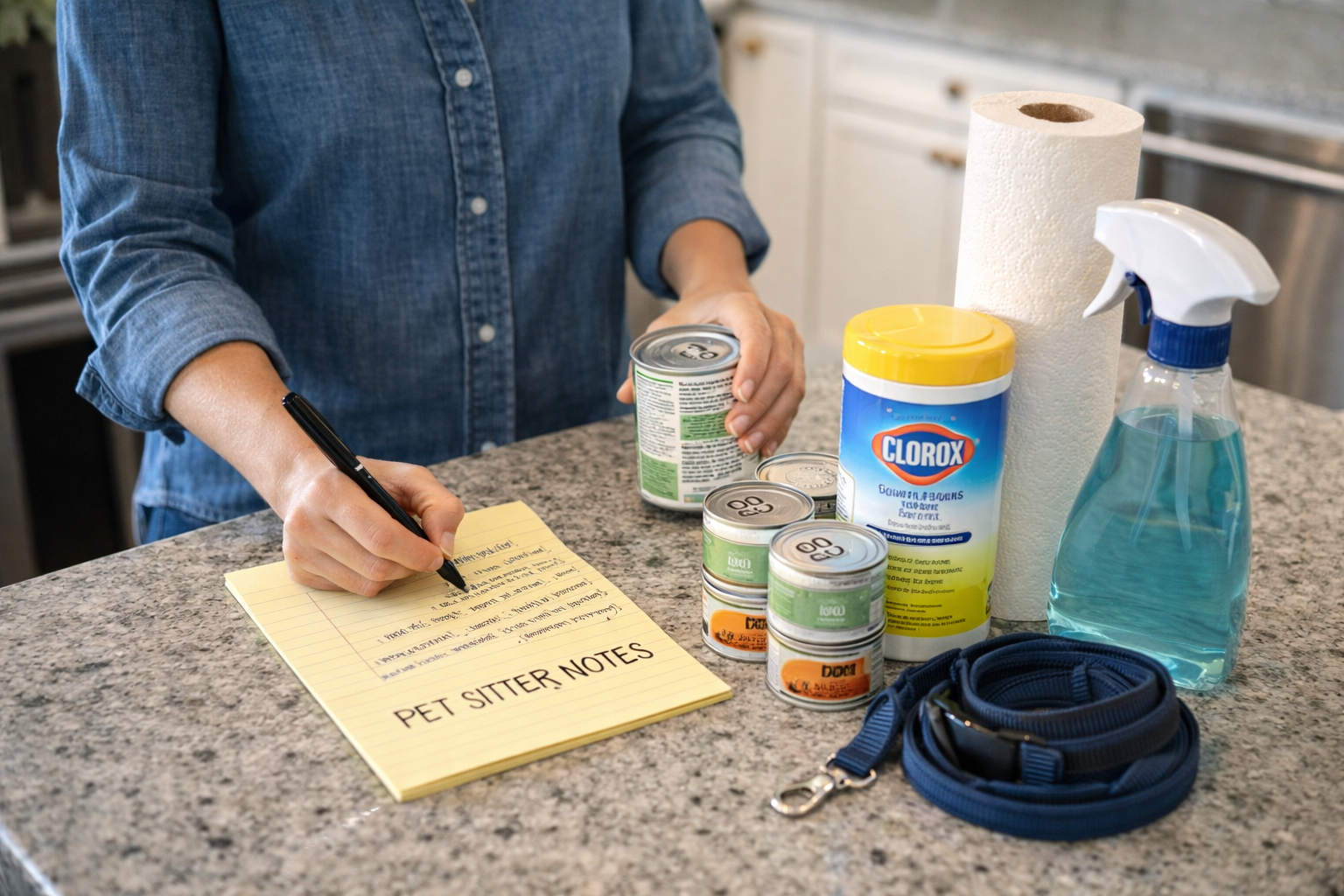
Your pet sitter should obtain a profile at the initial meet-greet that includes your pet's medical conditions, past histories, and current medications. One of the most helpful things you can do before a pet sitter arrives is to create a simple, current medical information sheet. As time goes on, and circumstances change, be sure to keep your pet sitter apprised of changes, whether to the symptoms, medications, or treatments that must be followed while you are away.
Notes for pet sitters should include:
- Veterinarian and emergency veterinary contact information
- Current medications and doses
- Medical conditions and diagnoses
- Allergies
- Recent laboratory results or important veterinary findings
- Dietary restrictions
- Mobility limitations
- Vision or hearing impairment
- Known behavioral triggers or new behaviors
- Current treatments
- What symptoms should prompt a call to the veterinarian
- What constitutes an emergency for your particular pet
A well informed pet sitter is more likely to recognize issues that need immediate attention, have the ability to contact you and know which veterinary clinics and emergency hospitals are preferred if needed. It is always a bonus if another local person can be on the contact list that has the authority to help and guide a pet sitter during pet and home emergencies.
Your Pet Sitter Is Another Set of Eyes
A professional pet sitter isn't a substitute for your veterinarian. But a good pet sitter can become an important extension of your pet's care team. Because sitters are seeing your pet in its normal home environment, and sometimes not as often as owners who see their pets daily, they may notice subtle changes that aren't obvious during a short veterinary visit:
"She isn't jumping onto the sofa anymore."
"He keeps licking the same paw."
"The cat is drinking much more water than usual."
"The dog seems hesitant on the stairs."
"She doesn't want me touching the side of her face."
Those observations can be extremely valuable to your veterinarian.
Don't Wait Until You're Leaving Town
One of the worst times to discover that your pet has an untreated medical problem is the day before you leave for vacation. Schedule routine veterinary care before problems become emergencies. For senior pets or animals with chronic conditions, your veterinarian may recommend examinations and laboratory testing more frequently than once a year, and it may be wise to schedule vet visits a couple of weeks before leaving on long trips or going out of country.
Regular checkups, appropriate preventive testing, dental care, eye examinations, and an up-to-date medical plan can help keep your pet comfortable—and give your pet sitter the information they need to care for your companion confidently while you're away.
Your pet can't tell you when something is wrong. Regular veterinary care helps make sure someone is looking closely enough to notice.
Book a consultation today with VIPet Sitter Service, your partner for reliable pet care and superb communication during all your trips.